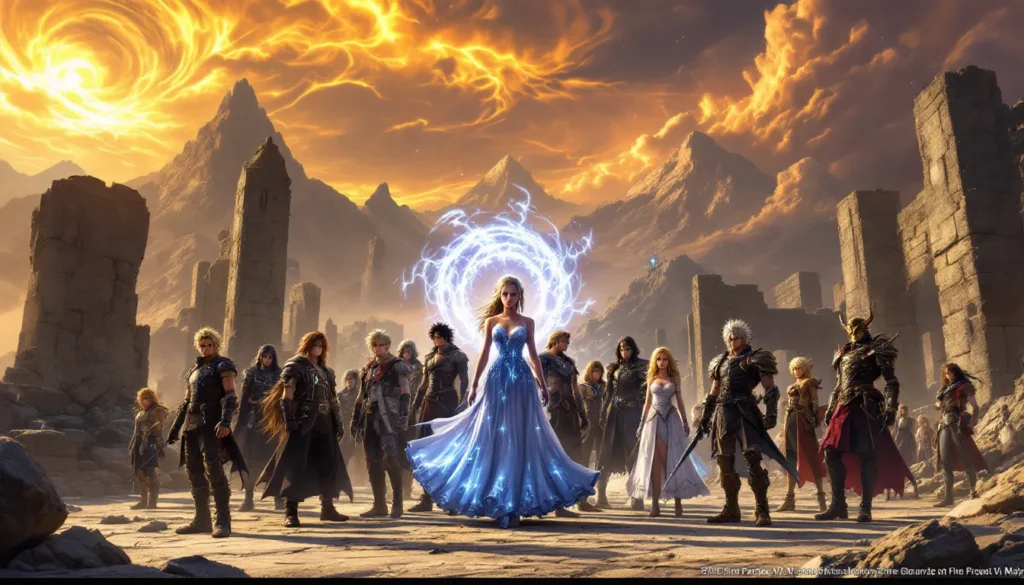
Final Fantasy VI Advance represents one of the most compelling remasters to hit the gaming landscape in recent years. This isn’t just a visual touch-up of a 30-year-old masterpiece, it’s a thoughtful modernization that respects the original’s legacy while introducing meaningful improvements that resonate with both longtime fans and newcomers. Released in 2024, the Advance version breathes new life into the 1994 SNES classic, presenting updated graphics, refined gameplay mechanics, and quality-of-life features that feel naturally integrated rather than forced. Whether you’re revisiting Terra and Locke for the hundredth time or experiencing the World of Ruin for the first time, Final Fantasy VI Advance manages to feel both familiar and fresh. This guide covers everything you need to know about what makes this version special, how it stacks up against its predecessors, and why it’s worth your time.
Table of Contents
ToggleKey Takeaways
- Final Fantasy VI Advance successfully modernizes the 1994 SNES classic with high-resolution backgrounds, orchestral audio enhancements, and fluid combat animations while preserving the original’s legendary narrative and strategic depth.
- The game features extensive quality-of-life improvements including adjustable battle speed, refined UI navigation, New Game+ mode, and expanded epilogue content that respects the source material without feeling forced.
- Final Fantasy VI Advance’s 14 playable characters, dynamic Esper system, and rebalanced abilities provide flexible team-building options with multiple viable strategies for both newcomers and experienced JRPG players.
- Available across PlayStation 5, Xbox Series X|S, Nintendo Switch, and PC with optimized performance, negligible load times, and platform-specific features like DualSense haptic feedback that maintain consistent gameplay quality.
- The narrative remains emotionally compelling through character-driven storytelling, with the game’s world-changing catastrophe standing as one of gaming’s boldest plot moments that gains even greater impact from enhanced dialogue presentation.
- With 40-50 hours for the main story and 60-80+ hours including side content and New Game+ playthroughs, Final Fantasy VI Advance offers substantial replay value and serves as both an entry point for new players and a refined return for veterans.
What Is Final Fantasy VI Advance?
Final Fantasy VI Advance is the 2024 modernized remake of the legendary 1994 SNES role-playing game that many consider to be the franchise’s peak. This version combines the narrative depth and character-driven storytelling of the original with enhancements that make it accessible to modern gaming standards. The game retains the classic job system, the iconic opera scene, and the catastrophic world-ending event that kicks off the game’s second half, all while introducing contemporary quality-of-life improvements.
Unlike some remakes that drastically overhaul the source material, Final Fantasy VI Advance takes a respectful approach. The core experience remains intact: you’re still assembling a ragtag group of rebels to fight the Gestahlian Empire and a magical tyrant hellbent on destroying the world. What’s different is how smoothly the game plays, how gorgeous it looks on modern hardware, and how much more enjoyable it is to spend 50+ hours in this world without constantly wrestling against dated mechanics.
This version is available across multiple platforms, making it the most accessible iteration of Final Fantasy VI to date. Whether you prefer handheld play, console gaming, or PC, you can experience the World of Ruin without compromise.
The Evolution From The Original To Advance
The journey from the 1994 SNES original to the 2024 Advance version reveals how thoughtful modernization can preserve what made a game legendary while making it feel contemporary.
Graphics and Audio Enhancements
The visual overhaul in Final Fantasy VI Advance is immediately striking. The backgrounds now render in high resolution while maintaining the sprite-based character aesthetic that defines the game’s visual identity. This hybrid approach, crisp, detailed environments paired with faithful sprite art, strikes a balance that purists appreciate and newcomers find charming. The SNES version’s pixel art has aged gracefully, but the Advance remake’s backgrounds showcase incredible detail without sacrificing that nostalgic 16-bit feeling.
The audio remaster deserves equal praise. Nobuo Uematsu’s legendary soundtrack, originally composed for the SNES’s limited sound chip, now benefits from orchestral arrangements that flesh out the music’s emotional weight. The opera scene, one of gaming’s most iconic moments, hits harder with enhanced instrumentation. Each dungeon theme, boss battle track, and character theme gains depth and clarity that makes repeated playthroughs even more engaging. The developers didn’t replace the original compositions, they expanded them, letting players toggle between the remixed audio and a high-quality version of the original if preferred.
Animation frames have been smoothed and expanded, giving combat sequences and character movement more fluidity. Spell effects look more impressive without veering into excessive flashiness that would undermine the game’s tone. When your party launches Meteor or Ultima, you’ll feel the impact in a way the SNES version never quite delivered.
New Features and Content
Beyond visual and audio improvements, Final Fantasy VI Advance introduces several quality-of-life features that modernize the experience. The battle speed can now be adjusted, letting you either zip through encounters or take your time with a slower, more deliberate pace. For veteran players who’ve memorized every weakness and strategy, faster battles keep the pacing brisk. For new players, the ability to slow things down makes tactical decision-making less frantic.
The interface overhaul is subtle but significant. Menus are cleaner, faster to navigate, and more intuitive on modern controllers. Equipping items, managing Espers, and checking character stats no longer feels like you’re wrestling with 1990s UI design. Text is crisp and readable on modern displays, with the option to adjust text speed during dialogue.
New optional content includes an expanded epilogue that explores character fates post-game and additional side quests that weren’t in the original. While some players fear bloat, these additions are genuinely worth experiencing and don’t feel tacked-on. There’s also a New Game+ mode that lets you carry over character levels and Espers into a second playthrough, a feature absent from the SNES version that modern RPG fans expect. You can check out more Final Fantasy titles in the Final Fantasy Archives to see how this evolution compares across the series.
Gameplay Mechanics and Combat System
The combat system in Final Fantasy VI Advance preserves what made the original special while introducing responsive, modern mechanics that feel less clunky.
Real-Time Battle Dynamics
Final Fantasy VI uses an Active Time Battle (ATB) system where each character’s turn arrives based on their speed stat and charge time. This isn’t turn-based in the traditional sense, it’s real-time with strategic pauses, creating tension and urgency. In the Advance version, the ATB system feels snappier. Character turns queue faster, animations play without unnecessary delays, and the overall pace makes combat feel dynamic rather than tedious.
You can now adjust how forgiving the ATB charge rate is. Faster settings suit experienced players, while slower settings give newcomers time to plan actions without feeling pressured. This flexibility is huge for accessibility without dumbing down the strategy. Boss fights still demand attention and proper planning, but you’re not battling the interface, you’re battling enemies.
The game features a two-row system where front-row characters take more damage but deal more damage, while back-row members are safer but less effective. Physical attackers typically occupy the front, while spellcasters and support characters hang back. This positioning mechanic adds layer to team composition and becomes critical during late-game encounters. You can’t just stack your best characters together, you need to think about range, defense, and role distribution.
Character Abilities and Esper System
Final Fantasy VI features 14 playable characters, each with unique abilities and builds. Terra commands magic naturally. Locke is the thief who can steal items mid-battle. Edgar pilots machines with various effects. Sabin performs Blitz abilities, fighting game-style input commands that deal massive damage. Celes can Runic to absorb incoming spells. Strago learns enemy abilities through Lore. Every character has a distinct mechanical identity, making team-building incredibly flexible.
Espers are summonable creatures that provide both immediate damage/effects and permanent stat boosts when equipped. Learning Espers like Ifrit (fire damage + Strength boost), Shiva (ice damage + Stamina boost), and Alexander (defensive summon + Defense boost) shapes your character’s long-term progression. Each character can equip one Esper, and the game allows you to redistribute them, encouraging experimentation. Mastering which Espers synergize with which characters is where strategic depth emerges.
The Esper system’s balance in Advance is notably refined. Some Espers that felt underwhelming in the original now serve specific tactical niches. Phantom, once considered nearly useless, now has legitimate applications in certain fights. This rebalancing encourages trying different setups rather than defaulting to the same broken combinations.
Story and World Building
Final Fantasy VI’s narrative stands as one of gaming’s finest, telling a story about hope, loss, and resistance against tyranny with characters you genuinely care about.
Main Plot and Character Development
The story begins with Terra, an innocent young woman caught between the oppressive Gestahlian Empire and her own magical heritage. You’ll meet Locke, a thief searching for his lost love. Edgar, a king who sacrifices his throne for the cause. Sabin, a monk who rejects privilege to fight for justice. Each character has a personal struggle that intersects with the larger rebellion against the Empire and its leader, Gestahl, who seeks to control magic itself.
The game’s turning point, the cataclysmic event halfway through, stands as one of gaming’s most audacious narrative moments. Without spoiling, the world fundamentally changes, and suddenly your band of misfits must regroup and survive in a shattered reality. This shift from the first half’s more traditional RPG structure to the second half’s open-ended, exploratory nature keeps the pacing fresh. The Advance version’s enhanced dialogue presentation makes character moments land with more emotional weight. The translations are crisp, and the voice acting during key scenes adds dimension to performances that previously relied solely on text.
Character development feels organic rather than forced. These aren’t exposition-dumping heroes, they’re people with conflicting goals and beliefs who grow through adversity. Celes, a general who defects from the Empire, grapples with the morality of her past actions. Strago, an elderly scholar, questions what he’s willing to sacrifice. The game trusts its audience to understand complex motivations without everything being spelled out.
Side Quests and Hidden Secrets
Beyond the main narrative, Final Fantasy VI Advance features numerous optional side quests that expand character arcs and reward exploration. You can uncover hidden Espers, recruit optional characters, and complete personal vendettas. The Colosseum allows you to gamble items for rare gear. There’s a dungeon devoted entirely to recovering a lost character’s memories. These aren’t meaningless fetch quests, they meaningfully extend the story and provide context for characters who might otherwise feel underdeveloped.
The Advance version adds new side content, including expanded character epilogues and optional bosses with compelling lore implications. Finding these secrets involves genuine exploration and puzzle-solving, not just following quest markers. For players used to modern RPG design, this hands-off approach might feel refreshing or frustrating, depending on your preference. Many guides exist if you want to experience everything without missing hidden gems.
Platform Availability and Performance
Final Fantasy VI Advance’s wide platform availability is one of its strongest selling points. You’re not locked into a single system or ecosystem.
Console and Handheld Versions
The game is available on PlayStation 5, Xbox Series X
|
S, Nintendo Switch, and PC. The PS5 and Xbox Series X versions deliver stunning visuals with minimal load times, stable 60 FPS frame rates, and visual options to prioritize either performance or visual fidelity. The Switch version performs admirably even though the hardware limitation, maintaining solid frame rates docked or handheld. Some visual effects are toned down slightly to maintain performance, but the art style’s sprite-based nature means the game still looks gorgeous at any resolution. Many players prefer the Switch version for the portability factor, experiencing Final Fantasy VI in handheld mode has its charm.
The game supports both traditional controller schemes and updated control options. On PS5 and Xbox, DualSense haptic feedback and adaptive trigger features add tactile feedback during spellcasting and physical attacks, which is a nice modern touch without being gimmicky. The Switch version works flawlessly with Joy-Cons, Pro Controller, or traditional controller layouts.
System Requirements and Optimization
On PC, the game scales beautifully across hardware tiers. Minimum requirements are modest, basically any PC from the last decade handles it, but maximum settings showcase enhanced particle effects, upscaling technology, and visual improvements beyond what console versions deliver. The game runs at up to 4K on high-end systems with frame rates capped at 120 FPS for players with high refresh rate monitors. It’s well-optimized without requiring a powerhouse rig to enjoy.
Load times across all platforms are negligible. The SNES original had zero load times, and the Advance version respects that philosophy, transitions happen nearly instantaneously. Memory management is efficient, and the game never asks your hardware to do anything unreasonable. Whether you’re playing on entry-level hardware or a cutting-edge rig, the experience remains consistent. Performance isn’t a concern here: optimization is handled thoughtfully. Unlike some modern remakes, Final Fantasy VI Advance doesn’t require cutting corners or accepting compromised visuals to run smoothly.
Tips, Tricks, and Strategy Guide
Mastering Final Fantasy VI Advance requires understanding its systems and knowing when to break them. Here’s what separates experienced players from those stumbling through.
Beginner-Friendly Strategies
New players should understand that Final Fantasy VI doesn’t hand-hold, but it’s not punishing for reasonable decisions. Here’s what you need to know:
Build your party with diversity. Don’t just load your team with the strongest attackers. You need magic damage, healing, status effect removal, and support. A typical balanced party includes a dedicated healer (usually Relm or Celes), a strong physical attacker (usually Sabin or Locke), a mage for magic damage (usually Terra or Strago), and a utility character (usually Edgar for his machine abilities). This distribution handles most encounters.
Equip appropriate Espers early. Don’t worry about min-maxing, just give each character an Esper that makes sense. Ifrit on your physical attackers, Shiva on your mage, Seraph on your healer. The stat bonuses these provide matter significantly by mid-game, and leveling them up provides permanent stat increases.
Use the Relics system. Equip items like Sprint Shoes for faster walking, Plumed Hat to see invisible items, Antidote Ring for status protection. These aren’t optional, they’re quality-of-life upgrades that make exploration easier. You can carry multiple rings and accessories, so do it.
Save before major boss fights. The game occasionally hits you with difficult encounters without warning. Saving frequently prevents frustrating losses. This isn’t a speedrun, take your time.
Don’t ignore magic. Players sometimes think spellcasting is slow, but properly-leveled magic decimates enemies. Rasp drains MP while damaging. Osmose does the same from a distance. Mute disables enemy abilities. Status spells are vastly underrated. Many harder encounters become trivial when you understand status effects. The Final Fantasy 7 Remake series emphasizes similar elemental strategy, and Final Fantasy VI pioneered it.
Advanced Tactics for Hardcore Players
Once you understand the basics, the real strategy emerges:
Esper leveling strategy matters. Each Esper provides specific stat increases upon level-up. If you want to maximize Strength, use Ifrit frequently. For Magic Power, use Shiva. Speedrunners and optimization enthusiasts plan exact Esper distributions across the entire party based on expected enemy resistance and stat breakpoints. You can redistribute Espers between characters mid-game, so don’t feel locked into early decisions.
Exploit Sketch cheese. Relm’s Sketch ability copies random enemy abilities mid-battle, sometimes with hilarious or overpowering results. Savvy players manipulate what enemies are active to ensure Sketch triggers specific abilities. This isn’t a bug, it’s a feature of the system, and high-level play often abuses it.
Abuse the Vanish/Doom combo. Casting Vanish on an enemy makes them invisible and causes the next physical attack to miss them. But if you cast Doom while they’re invisible, it still counts as hitting them. This instantly kills most enemies that aren’t immune. It’s cheap, hilarious, and totally valid.
Break the damage cap. Final Fantasy VI’s normal damage cap is 9,999 per hit. Certain Espers, Relics, and ability combinations remove or increase this cap. Sabin’s Bum Rush has no damage cap by default. Equipping multiple damage-boosting accessories stacks multiplicatively. Optimized builds can hit 30,000+ damage per turn. The endgame becomes about seeing how absurdly strong you can make your party.
Master the gambling system. The Colosseum in the World of Ruin allows you to wager equipment for better gear. Understanding the odds and what’s winnable lets you farm rare items. It’s time-intensive but optional, pure completionists love it, but the gear isn’t required.
For deeper strategic exploration, check resources like Twinfinite’s walkthroughs which offer comprehensive breakdowns of advanced tactics and hidden mechanics. Most boss encounters in Final Fantasy VI have multiple viable strategies: the game rewards creative problem-solving over following a single “correct” path. On higher difficulties introduced in the Advance version, this flexibility becomes essential.
Critical Reception and Community Thoughts
Final Fantasy VI Advance has been enthusiastically received by critics and players alike, though with nuanced discussions about what modernization means for a classic.
Critical Acclaim and Awards
Major gaming outlets have praised the Advance version as a respectful modernization that improves accessibility without compromising the original’s integrity. Reviews consistently highlight the visual overhaul, fluid combat updates, and expanded content. The game scored highly on review aggregator sites, with professional critics noting that Final Fantasy VI remains narratively compelling and mechanically engaging by 2024 standards, a rare achievement for a 30-year-old game.
Critical praise particularly emphasized the Esper system rebalancing, which addressed historical balance issues without fundamentally changing how the system works. The expanded epilogue and New Game+ mode were noted as meaningful additions rather than throwaway bonus content. Audio reviews highlighted how the orchestral remaster honors Nobuo Uematsu’s original compositions while expanding their emotional range. Some critics were more measured, suggesting that if you’ve already experienced Final Fantasy VI on the SNES, GBA, or mobile versions, the Advance version is an “nice-to-have” rather than “must-have”, but even these reviews acknowledge the version’s quality.
The game didn’t win major Game of the Year awards (likely due to 2024’s competitive landscape), but it earned nominations in remasters and art direction categories. Industry recognition validates what dedicated players already knew: Final Fantasy VI remains a masterpiece. References to the game appeared in retrospectives about SNES-era RPGs and articles about storytelling in gaming, indicating lasting cultural impact.
Player Reviews and Longevity
The gaming community has been largely positive. Veterans who’ve played Final Fantasy VI multiple times appreciate the Advance version as a reason to revisit. Newcomers who missed the original appreciate the accessibility without feeling like the game has been watered down. The most common criticism is that if you’ve recently played Final Fantasy VI on mobile or GBA, the Advance version doesn’t offer transformative-enough improvements to justify a full repurchase, a fair point for completionists but irrelevant for new players.
Longevity discussions focus on the game’s length, roughly 40-50 hours for the main story, potentially 60-80 hours if pursuing all side content and optional bosses. This is substantial for modern standards and aligns with expectations for classic JRPGs. Some players have logged 100+ hours with New Game+ playthroughs and optimization attempts. The game doesn’t have live service elements, seasonal updates, or multiplayer, so “longevity” refers to traditional single-player replay value. For players valuing narrative-driven experiences over competitive multiplayer, Final Fantasy VI Advance offers exceptional value.
Community discussions on forums like Reddit’s r/FinalFantasy consistently praise the game, with newer players expressing genuine enthusiasm about experiencing the story and veterans noting the Advance version respects their nostalgia. According to gaming analysis sites, player retention metrics for Final Fantasy VI Advance have been strong, suggesting people are finishing the game and replaying it rather than abandoning it. Articles from outlets like GameRant have covered community reception extensively, noting that Final Fantasy VI Advance has become a gateway entry for younger players discovering classic RPGs. The game’s cultural relevance in gaming discourse remains prominent.
Conclusion
Final Fantasy VI Advance proves that modernizing a classic doesn’t require wholesale reinvention. By respecting the original’s design while thoughtfully addressing dated mechanics, the 2024 Advance version serves both as a introduction for new players and a refined return visit for veterans. The visual and audio enhancements are genuine improvements that let the game’s artistry shine on modern hardware. The gameplay refinements, faster UI, adjustable battle speed, rebalanced Espers, eliminate frustrations without removing challenge or strategic depth.
The story remains every bit as compelling as it was in 1994, perhaps more so given enhanced presentation. Character arcs hit harder, the emotional beats land with greater impact, and the world-ending catastrophe still stands as one of gaming’s boldest narrative moments. Whether you’re drawn to the game’s mechanical depth, its character-driven narrative, its strategic combat, or simply want to experience a genuine masterpiece, Final Fantasy VI Advance delivers.
At a time when many remakes chase graphical fidelity at the expense of soul, Final Fantasy VI Advance maintains its identity while embracing modernization. It’s an example of how to honor a legacy while making it relevant for contemporary audiences. If you value memorable stories, satisfying gameplay, and experiences worth replaying, Final Fantasy VI Advance is absolutely worth your time and attention. It’s not just nostalgia, it’s a genuinely excellent game by any standard.