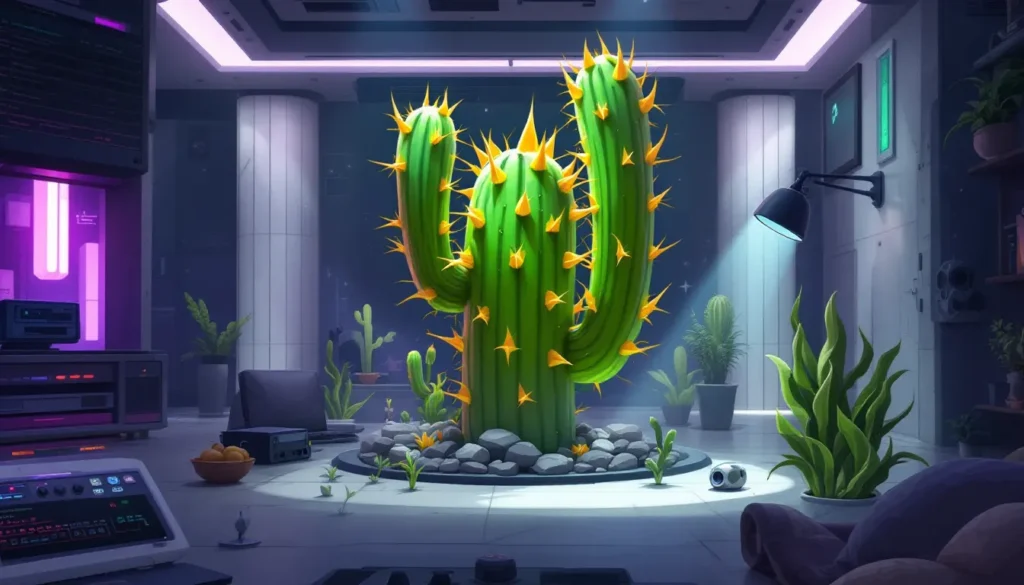
The cactuar has been terrorizing and delighting Final Fantasy players for decades. This adorable yet dangerous succulent creature stands out among the franchise’s roster of iconic enemies, part lawn ornament, part devastating warrior. Whether you’re grinding through the latest JRPG, hunting for rare items, or just fascinated by one of gaming’s most recognizable monsters, understanding the cactuar’s role across the series matters. From its humble 2D pixel origins to its modern HD iterations, the cactuar represents something special in gaming culture. This guide covers everything you need to know about cactuars: their lore, combat strategies, farming techniques, and why players keep coming back to fight (or befriend) these spiky little legends. Whether you’re facing a cactuar enemy or trying to unlock exclusive cosmetics tied to the creature, you’ll find the specific details and strategies that work.
Table of Contents
ToggleKey Takeaways
- The cactuar, a Final Fantasy icon since 1994, has evolved from a simple 2D sprite to a beloved franchise mascot recognized across all modern gaming platforms and art styles.
- Cactuar’s signature 1,000 Needles attack deals fixed damage regardless of defense stats, making elemental weaknesses, status effects, and HP boosts more effective than traditional damage mitigation strategies.
- Final Fantasy XIV transformed the cactuar into a cultural phenomenon through cosmetic minions, seasonal events, and community-driven gatherings that elevated the creature beyond standard enemy encounters.
- Cactuar farming in games like FF7, FFX, and FFXIV offers both gameplay rewards and economic opportunities, with optimized gear loadouts and party compositions significantly boosting efficiency.
- The cactuar’s enduring appeal stems from its simple yet expressive design, consistent personality across 30+ years, and remarkable adaptability to every gameplay system and technology generation.
What Is A Cactuar? Origins And Characteristics
First Appearance And Design Evolution
The cactuar made its debut in Final Fantasy VI (1994), originally designed as a common desert enemy with a simple yet memorable sprite. Its initial design, a small, round cactus with big eyes and stubby arms, was instantly iconic. The creature’s name is a play on the word “cactus,” combined with “uar,” a naming convention Square used for various enemies across the series.
Over the decades, the final fantasy cactus design has evolved significantly. From 2D pixel art to polygonal 3D models, then to fully realized HD renders in modern titles, cactuars have consistently maintained their core aesthetic: a humanoid cactus standing upright, often wearing a goofy expression. The consistency of this design philosophy shows how well developers understood the creature’s appeal. What started as a throwaway desert encounter became a mascot-level character that fans immediately recognize.
Each game brought subtle design changes, different spike arrangements, varying heights, expanded animations, but the essence remained. Modern iterations, particularly in Final Fantasy XIV, showcase incredible detail: realistic texture work on the cactus skin, intricate spike formations, and expressive facial animations that bring personality to the creature.
Unique Physical Traits And Abilities
Cactuars possess several distinctive characteristics that set them apart from other Final Fantasy enemies. Most notably, they’re small, typically only a few feet tall, making them appear almost non-threatening at first glance. This size contrast with their devastating combat potential creates much of their charm.
Their primary attack is 1,000 Needles (or variations like 10,000 Needles), a signature ability that launches needles in rapid succession at targets. This attack deals a fixed amount of damage per needle rather than calculating damage based on stats, making it predictably lethal regardless of enemy defenses. The fixed damage mechanic makes cactuars genuinely dangerous: you can’t tank through 1,000 Needles with high defense stats alone.
Beyond needle attacks, different cactuar variants exhibit unique moves. Some use Earthquake to damage entire parties, while others employ Entangle to reduce agility or Prick for single-target needle strikes. Certain cactuar final fantasy encounters include status effect moves like poison or slow, making them tactical threats rather than pure damage dealers. The ability variety across different games keeps cactuar encounters fresh and unpredictable.
Cactuar Across Final Fantasy Games
Final Fantasy VII And Early Appearances
While cactuars originated in Final Fantasy VI, they gained serious prominence in Final Fantasy VII. In the original 1997 release, cactuars appear in the Gold Saucer area and the Corel Desert, acting as recurring desert enemies that players will encounter multiple times. Their inclusion made them familiar enough to stick in players’ memory, even for casual players who’d never specifically hunt them.
The Final Fantasy 7 Remake (2020) and its expanded versions brought these creatures into modern combat systems. Encounters feel significantly more intense with real-time action combat replacing turn-based mechanics. Cactuars’ needle attacks become challenging to dodge, their telegraph animations requiring precise timing to avoid. The remake’s graphical fidelity made cactuars look almost absurd in their adorableness, stubby limbs, spikes rendered individually, and those characteristic big eyes. Even though the tonal shift toward more serious storytelling in the remake, cactuars retained their original quirky charm.
Players grinding in Corel Desert discovered that cactuars, while dangerous, offered decent experience and gil rewards for their level range. This made them popular farming targets for dedicated players looking to power-level before major boss fights. The risk-reward dynamic, fighting dangerous but profitable enemies, established cactuars as more than just random encounters.
Notable Cactuar Encounters In Modern Titles
Final Fantasy XV featured cactuars as formidable roadside enemies that could catch players off-guard during exploration. Their appearance in the Duscae region and other desert areas added environmental variety to combat encounters. The game’s real-time action system made cactuar fights genuinely challenging, as their rapid needle attacks required constant movement and positioning awareness.
In Final Fantasy XIV, cactuars achieved something remarkable: they transcended enemy status to become beloved community creatures. The Cactuar Cutting (a baby cactuar) became an ultra-popular minion pet that players could obtain and keep as a companion. The MMORPG’s living world approach meant seasonal events and special encounters kept cactuars relevant beyond standard combat. During special occasions, players gathered to celebrate cactuar-related content, demonstrating genuine affection for the creature.
Final Fantasy Type-0 included cactuar encounters with unique mechanics specific to that game’s combat system. The handheld title treated cactuars with appropriate respect as dangerous foes, not just nostalgic cameos. Each encounter required understanding cactuar attack patterns and exploiting specific vulnerabilities.
Spin-Off Games And Cameos
Cactuars have appeared in nearly every Final Fantasy spin-off imaginable. Final Fantasy Dissidia included cactuar summons and enemy encounters, bringing the creature into competitive fighting game territory. Final Fantasy Record Keeper featured cactuars as both enemies and rewards, complete with their signature needle attacks translated into that game’s mechanics.
Final Fantasy XIV deserves special mention here because cactuars permeate the game’s culture. Beyond enemies and minions, the community created elaborate cactuar-themed events and gatherings. Players named their Free Companies (guilds) after cactuars, created fan art, and participated in creative competitions celebrating these creatures. This integration shows how Final Fantasy developers successfully transformed a simple enemy into an iconic franchise element.
The Chocobo’s Dungeon series, Theatrhythm Final Fantasy, and mobile titles like Final Fantasy Brave Exvius all incorporated cactuars, each adapting the creature to fit their specific gameplay mechanics. This consistency across spin-offs reinforced cactuars’ status as essential Final Fantasy lore, not just easter egg throwbacks.
Combat Mechanics And Battle Strategies
Signature Attacks And Damage Output
The 1,000 Needles attack deserves detailed examination because it fundamentally changed how players approach cactuar encounters. Unlike most abilities that scale with the caster’s attack power or the defender’s resistances, each needle deals a fixed damage value, typically 1 HP per needle in classic titles, though modern games adjusted this for balance.
This mechanic created interesting strategic depth: defense stats become almost irrelevant against needle attacks, forcing players to rely on other mitigation methods. Reflect magic becomes essential in some encounters, bouncing needles back at the cactuar. Barriers and HP-boosting abilities take priority over defense stacking. Tanks can’t tank their way through needle spam, players need smart ability usage instead.
Variant versions of needle attacks exist across different games. 10,000 Needles doubles the hit count and damage. Prick deals lower damage but might inflict status effects. Some cactuars employ Earthquake as their primary attack, dealing area damage that forces positioning management. A few rare encounters include Entangle, reducing party agility and making them more vulnerable to subsequent cactuar attacks.
Damage output calculations vary significantly by game. In turn-based systems, a cactuar might deal consistent needle damage across multiple turns. In real-time action games like the FF7 Remake, cactuar combos chain needle attacks into devastating sequences that require active dodging rather than passive damage mitigation.
How To Defeat Cactuar Enemies
First priority: boost your party’s maximum HP. Since needle attacks deal fixed damage, increasing your HP pool is more effective than improving defenses. Abilities that grant Barrier or Protect provide real protection against fixed-damage attacks by reducing the damage taken per needle.
Elemental weaknesses vary by game and specific encounter. Research the exact title and version you’re playing, some cactuars resist fire, others are weak to ice. Dedicated resources on gaming guides and walkthroughs provide specific elemental matchups for particular encounters.
Status effects work well against cactuars. Silence prevents them from using their most dangerous abilities. Sleep provides breathing room for healing and setup. Confuse makes them attack randomly, potentially targeting allies instead of your party. Paralyze and Slow reduce their action speed, giving you more turns to whittle them down.
Physical damage works but requires consistent output. Cactuar HP pools aren’t typically huge, they’re dangerous because of offense, not endurance. A dedicated DPS character dealing steady damage wins the race against most cactuar encounters. Multi-hit abilities tear through cactuars efficiently, overwhelming their defenses through volume of attacks rather than individual hit power.
Remember that cactuars often appear in groups. AoE (area of effect) abilities become critical for managing multiple enemies simultaneously. Single-target focus kills faster but leaves you vulnerable to flanking needle attacks from secondary enemies.
Using Cactuar In Your Party
Several Final Fantasy titles allow players to recruit or summon cactuars as party members or allies. Final Fantasy XIV players obtain cactuar minions purely for vanity, they provide no combat benefits but offer status symbol value. Having a rare cactuar minion signals you’ve either farmed extensively or spent gil wisely on the market board.
In games featuring cactuar summons, Cactuar typically provides moderate damage output with guaranteed hit mechanics. Unlike random-hit abilities, cactuar summons hit consistently, making them reliable for burst damage windows. Summon cost scales with current HP or MP, creating resource management around using your cactuar effectively.
Some titles incorporate cactuar abilities into specific job classes or character builds. Knowing your game’s mechanics determines whether cactuar-themed abilities serve as core strategies or supplementary tools. Dedicated strategy wikis for your specific game version provide exact numbers and optimal usage patterns.
For competitive or high-difficulty content, cactuars rarely serve as primary damage dealers in modern titles. Their consistent damage is valuable but not meta-defining. But, their utility, status effect infliction, fixed damage against high-defense enemies, or specific elemental advantages, can create niche strategic applications in specialized encounters.
Cactuar In Final Fantasy XIV And MMO Gaming
Mount And Companion Options
Final Fantasy XIV represents the apex of cactuar integration into modern gaming. While cactuars don’t serve as rideable mounts in the traditional sense, they exist as cosmetic companions and collectible minions. The Cactuar Cutting minion became so popular that it’s considered a status symbol among XIV players. Obtaining one requires either:
- Farming the Cactuar Dungeon in Gold Saucer, grinding MGP (the in-game currency) to purchase it
- Purchasing it from the market board with gil (real party wealth)
- Finding one as a drop from specific challenging content
The grind-versus-purchase dynamic creates interesting economics. Hardcore farmers prove their dedication by farming the dungeon repeatedly. Wealthy players flex by buying minions outright. Both paths lead to the same destination, but the journey defines player identity.
While full-sized cactuars can’t serve as mounts, their inclusion in the game’s minion collection system means players can have them follow their character everywhere. During populated areas like the main plaza in Limsa Lominsa, spotting multiple players with cactuar minions creates natural social moments, emotes, gesture exchanges, and impromptu roleplay.
Special seasonal events sometimes feature cactuar-specific content. These limited-time encounters or cosmetics drive engagement and give players exclusive collectibles. Missing a seasonal cactuar event means missing out on unique vanity items, creating FOMO (fear of missing out) that encourages regular engagement.
Obtaining Cactuar-Related Items And Cosmetics
Beyond minions, Final Fantasy XIV offers extensive cactuar-themed cosmetics. Glamour items (appearance gear) matching cactuar aesthetics, spiky armor, green color schemes, plant-themed accessories, let players express affinity for the creature. Housing decorations feature cactuar statues and themed furnishings that committed fans display in their Free Company houses.
Achievements tied to cactuar encounters or collection milestones provide long-term goals. Completing specific achievement chains rewards titles, mounts, or special items that broadcast your commitment to cactuar fandom. These achievement systems leverage social proof, other players recognize your dedication when you display these earned rewards.
Price fluctuations on the market board for cactuar-related items create pseudo-economics. Rare drops command premium prices when first released. As more players farm the source content, supply increases and prices normalize. Timing purchases and sales around content patches requires market knowledge and patience, a mini-game within the larger game.
Craft-able items with cactuar themes encourage participation from crafting-focused players. Carpenters, goldsmiths, and alchemists produce cactuar-themed furniture and items through traditional crafting systems. This dispersion across multiple job classes means more players contribute to cactuar item availability, strengthening ecosystem engagement across all playstyles.
Cultural Impact And Fan Popularity
Why Gamers Love The Cactuar
The cactuar’s appeal transcends traditional mechanics, it’s fundamentally about personality. A creature that looks almost comical, speaks through needle attacks, and manages to be simultaneously threatening and adorable creates emotional resonance. Players remember cactuars not as stat blocks but as characters with presence.
This affection developed across nearly three decades of consistent appearances. Players who encountered cactuars in Final Fantasy VI remember them fondly enough to appreciate references in FF7, FF8, FF10, and beyond. Each generation discovers cactuars fresh, then passes that appreciation to the next wave of players. Generational familiarity creates cultural weight, cactuars become shorthand for “classic Final Fantasy.”
The creature’s design efficiency contributes to popularity. A simple concept, a humanoid cactus, executes flawlessly across all art styles: 2D sprites, early 3D models, modern HD graphics. Compare this to characters requiring specific visual language or detailed lore, cactuars “just work” everywhere. This adaptability meant developers consistently included them, maintaining visibility.
Social media and gaming communities amplified cactuar appreciation exponentially. Fan art on gaming communities and forums depicted cactuars in countless scenarios: cute fan comics, serious artistic interpretations, absurd meme formats. This grassroots enthusiasm proved self-sustaining, each fan creation inspired more creation, generating momentum independent of official Square Enix marketing.
Merchandise And Community Recognition
Square Enix capitalized on cactuar popularity through official merchandise. Plushies, figurines, t-shirts, and collectibles let fans express their affection tangibly. Official plush cactuars, particularly high-quality crafted versions, sell out quickly. Unofficial fan merchandise, Etsy sellers creating custom cactuar items, demonstrates demand exceeding official supply.
Community events explicitly centered around cactuars emerged organically. Final Fantasy XIV’s cactuar playerbase created in-game gatherings, elaborate costume parties, and competitive collecting challenges. Free Companies themed entirely around cactuars formed, with guild names like “Thousand Needles” or “Cactuar Champions.” These social structures demonstrate how the creature transcended enemy status to become genuine community identity.
Competitive gaming communities reference cactuars as raid encounter mechanics or enemy patterns. Speedrunners optimize cactuar fights, sharing strategies and sub-records. This competitive layer adds depth, cactuars aren’t just beloved nostalgia, they’re legitimate challenge content that merit optimization discussion.
Streaming platforms show consistent interest in cactuar content. Clips of players encountering cactuars, devastating cactuar attacks generating dramatic reactions, and “cactuar moment” compilations accumulate views. Content creators understand that cactuar moments resonate with audiences, the creature possesses intrinsic entertainment value.
Tips For Cactuar Farming And Collection
Best Locations For Encountering Cactuars
Geographic distribution of cactuars varies dramatically by game. Final Fantasy VII and VII Remake concentrate cactuars in the Corel Desert and Gold Saucer regions, specific locations where players know to venture when seeking them.
Final Fantasy XIV’s Cactuar Dungeon serves as the dedicated farming location. This instanced dungeon spawns abundant cactuars on predictable rotations, making it ideal for repetitive grinding. Running it repeatedly generates MGP currency, which converts to cactuar minion purchases. Dungeon difficulty scales appropriately for current content patches, ensuring it remains relevant.
Final Fantasy X features cactuars in the Bikanel Desert and surrounding areas. Players often farm this region for grinding purposes, cactuars provide decent EXP and gil relative to their difficulty.
Final Fantasy XII places cactuars in specific zones accessible mid-game. Knowing exact spawn locations saves time versus random exploration. Online gaming guides provide exact coordinates and spawn mechanics for your specific game and version.
Maximizing Gil And Rewards
Efficient farming requires understanding what cactuars drop. Most iterations yield consistent gil payouts plus potential rare item drops. Final Fantasy X, for example, features cactuar drops tied to weapon upgrade materials, valuable resources that sell for significant gil amounts.
Equipment affecting encounter outcomes directly impacts profitability. Poison abilities on weapons allow poisoning cactuars passively, dealing damage without action costs. Equipment boosting Gil Drops and Rare Item Rates multiplies farming efficiency. Investing in these passive bonuses before extended farming sessions pays dividends through multiplicative improvements.
Party composition matters enormously. Fast attackers chain turns efficiently, eliminating cactuars before they execute dangerous needle attacks. Mages with multi-hit spells like Meteor or Blizzaga burst down multiple enemies simultaneously. Specialized gear and ability loadouts dedicated to cactuar farming beat general-purpose party compositions by significant margins.
Knowing encounter mechanics prevents wasted time. Some cactuars flee combat after specific conditions, burning them down below health thresholds before escape mechanics trigger. Others employ status effects that debilitate farming efficiency. Researching your specific game version’s mechanics before investing hours saves frustration and optimizes farming runs.
Timing matters for market economics in MMOs. In Final Fantasy XIV, farming cactuar minions during off-peak seasons when demand is low, then selling during peak times (seasonal events, new content patches) maximizes profit. This speculative approach requires patience but generates substantial returns for savvy players.
Grouping strategies amplify efficiency in multiplayer contexts. Organized farming groups take turns fighting cactuars or coordinate simultaneous encounters, sharing loot and dividing rewards. Guild-level farming operations create assembly-line efficiency, specialized farmers hunting cactuars while dedicated crafters convert materials into final products, cycling profits through the economy.
Conclusion
The cactuar’s journey from throwaway Final Fantasy VI enemy to franchise icon deserves appreciation. Few creatures maintain relevance across 30+ years of gaming evolution, fewer still do so while becoming beloved community symbols. Understanding cactuars means understanding Final Fantasy itself: a franchise that values quirky personality, consistent design language, and emotional resonance alongside mechanical depth.
Whether you’re grinding for minions in Final Fantasy XIV, strategizing against needle attacks in the FF7 Remake, or discovering cactuars for the first time in a classic entry, the experience remains fundamentally human-centric. These aren’t just stat blocks to optimize, they’re memorable encounters that stick in player memory, generating nostalgia, humor, and genuine affection.
The cactuar proves that great character design transcends platforms and technological eras. A simple concept executed consistently and with personality becomes timeless. Looking forward, as Final Fantasy continues evolving across 2026 and beyond, expect cactuars to remain central to the franchise identity, popping up in new games, generating community moments, and delighting players who recognize these iconic succulent warriors. The needle attacks will never stop coming, and that’s precisely why we keep coming back.