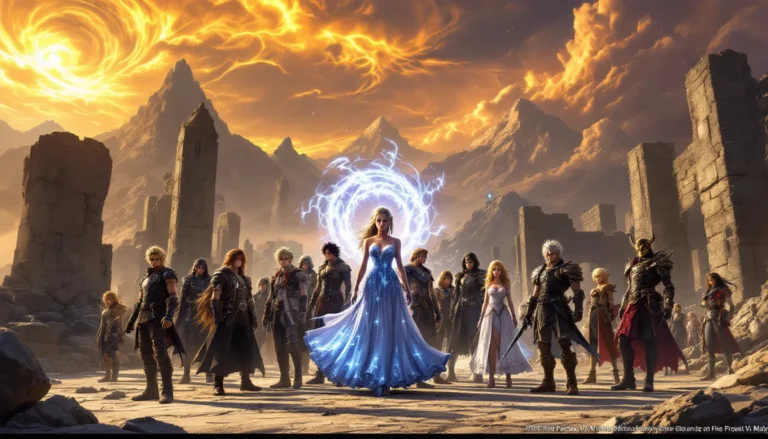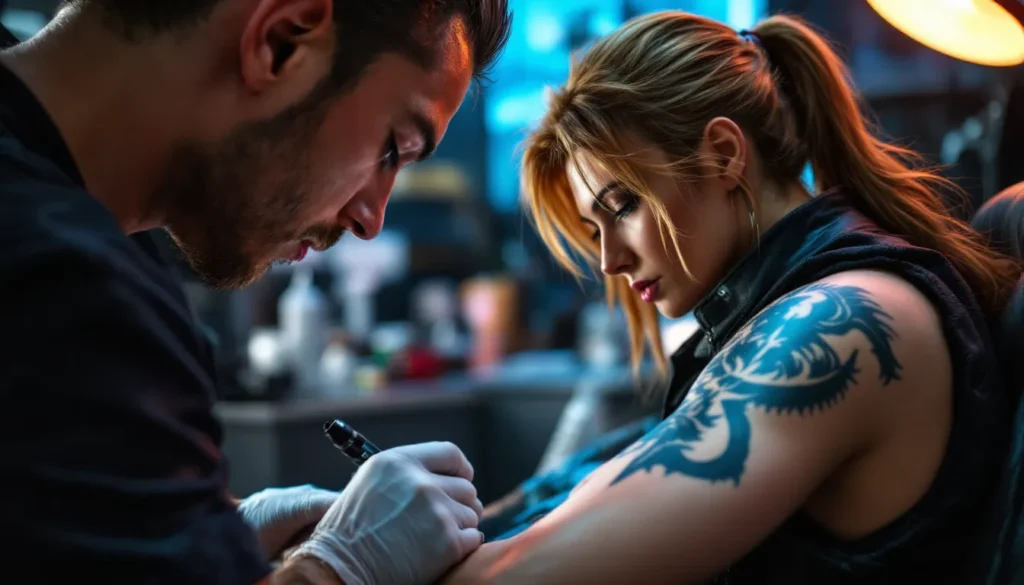
Final Fantasy 7 has been etched into gaming culture for over three decades, and it’s no surprise that gamers want to literally wear their passion on their skin. A Final Fantasy 7 tattoo isn’t just ink, it’s a permanent statement about identity, nostalgia, and the kind of games that shaped entire generations of players. Whether you’re drawn to Cloud’s iconic silhouette, the haunting elegance of Aerith, or the mystery of Sephiroth’s one-winged legacy, these designs have transcended the screen and become some of gaming’s most recognizable body art.
The challenge, though, is making that tattoo work visually while honoring the source material. Not all designs scale well. Not all artists understand what makes FF7 imagery hit different. And there’s a real difference between a tattoo that looks incredible in five years versus one that fades into a blur. This guide breaks down everything you need to know to get an FF7 tattoo that actually slaps, from design selection and artist vetting to placement strategy and long-term care.
Table of Contents
ToggleKey Takeaways
- A Final Fantasy 7 tattoo requires careful design selection, artist vetting, and long-term commitment to ensure the piece remains visually striking for years to come.
- Cloud’s Buster Sword, Aerith’s elegant design, and Sephiroth’s one-winged silhouette are instantly recognizable and scale well across different tattoo sizes and styles.
- Realistic character portraits demand premium budgets ($800–$2,500+) and multiple sessions, while minimalist line work offers durability and affordability ($150–$500) with superior aging over time.
- Placement strategy directly impacts visibility and longevity—upper back and chest pieces provide better detail, while sun protection and proper aftercare are essential to prevent color fading.
- Watercolor and detailed color work require touch-ups every 2–3 years, whereas black-and-gray or pixel art designs hold their clarity for 10+ years with minimal maintenance.
- Research artists with proven gaming tattoo experience through Instagram gaming communities and portfolios to ensure your FF7 design captures character accuracy and honors the source material.
Why Final Fantasy 7 Tattoos Remain Gaming’s Most Iconic Design Choice
The Cultural Impact Of FF7 In Gaming Tattoo Culture
Final Fantasy 7 occupies a unique space in gaming tattoo culture. Unlike games that come and go, FF7’s influence is intergenerational, players who grew up with the 1997 original are now introducing the remake to their kids. That sustained relevance translates directly to tattoo popularity.
What makes FF7 designs so tattoo-friendly is their visual distinctiveness. Cloud’s spiky blonde hair and massive sword are instantly recognizable from a distance. Aerith’s flower and pink dress carry immediate emotional weight. Sephiroth’s silver hair and one-winged silhouette project pure menace. These aren’t subtle character designs, they’re deliberately iconic, which means they translate to ink without becoming generic anime tattoos.
The game’s themes also resonate on a personal level. Themes of environmentalism, existentialism, and found family hit different when you’re permanently wearing them. A gamer getting an FF7 tattoo isn’t just saying “I like this game.” They’re saying something about how it shaped their worldview during a formative moment. That’s powerful, and it shows in why these tattoos command such respect in gaming communities.
The recent release of Final Fantasy 7 Remake has created a second wave of FF7 enthusiasm, introducing the story to a whole new audience with modern graphics. Between the original devotees and the newer generation, FF7 tattoo designs remain at the absolute top tier of gaming body art requests.
Most Popular Final Fantasy 7 Tattoo Designs
Cloud Strife And The Buster Sword
Cloud Strife is the obvious first choice, and for good reason. His design is instantly recognizable and scales incredibly well across different tattoo sizes. Most artists can nail his key features: the spiky blonde hair, the blue eyes, and the distinct facial structure. The real magic happens when his Buster Sword enters the frame.
The Buster Sword is probably the most requested FF7 tattoo element across all designs. It’s massive, visually striking, and carries symbolic weight as one of gaming’s most iconic weapons. A full-size realistic portrait of Cloud holding the Buster Sword demands a large canvas, upper back, full chest, or thigh are ideal placements. Smaller versions work on forearms or calves, but detail suffers at tiny scales.
Many gamers opt for just the sword silhouette without Cloud, which solves the size problem. A clean line drawing of the Buster Sword with some gradient shading can work beautifully on an arm or leg, staying readable even from across a room.
Aerith And Tifa Character Designs
Aerith represents a different emotional anchor. Her design is softer than Cloud’s, the pink dress, the long hair, the flower accessory. Aerith tattoos tend to emphasize her grace and gentle strength, which translates well into watercolor or delicate line work styles. Players often choose her flower hair clip as a standalone design, which is small, meaningful, and works well as a subtle piece.
Tifa brings attitude. Her martial arts stance, the black tank top, and confident expression appeal to gamers who connect with her character beyond her appearance. Tifa designs often capture her mid-combat or in a power pose, which requires an artist comfortable with anatomical accuracy and dynamic positioning.
Designs pairing both Aerith and Tifa are popular for gamers who see them as co-protagonists and refuse to choose. These require larger space, a full back piece or wraparound sleeve work best.
Materia Orbs And Combat Symbols
For more abstract FF7 enthusiasm, Materia orbs offer clean, symbolic designs. Each materia type, Fire, Ice, Heal, Summon, has distinct coloring that can look sharp as a tattoo. Green for regular materia, red for summons, purple for magic, blue for command materia. A series of small materia tattoos, stacked or scattered down an arm or leg, creates a cohesive gaming sleeve without being a single massive character.
The Limit Break indicator, the diamond-shaped gauge from combat, is another minimalist option. It’s simple enough to work at tiny sizes but loaded with meaning for anyone who’s maxed that meter countless times.
Chocobo And Summon Creatures
Chocobos might seem cute, but they can actually carry serious visual impact depending on style. A realistic chocobo with detailed feathers and that determined expression looks fantastic in larger pieces. Pixel-art chocobos work great for 16-bit nostalgia lovers.
Summon creatures, especially Bahamut and Typhon, pull in gamers who want something more epic and less character-focused. Bahamut’s dragon form is visually stunning and photographs well as a full back or chest piece. These designs demand skilled artists, but when executed right, they’re absolutely memorable.
The One-Winged Angel Logo And Sephiroth Imagery
The One-Winged Angel logo, Sephiroth’s symbol, is sleek and instantly recognizable. It works beautifully as a standalone piece, small enough for a wrist or ankle but bold enough to command attention. The design is geometric enough that it stays clean even if line weight degrades slightly over time.
Sephiroth himself is pure intimidation. His silhouette with silver hair and that massive masamune blade, or his face with those alien eyes, these are portraits for gamers who want to make a statement. Full-color Sephiroth pieces with dramatic lighting can be absolutely striking, though they demand an artist experienced with character work and dramatic shadows.
Many competitive players or esports fans gravitate toward Final Fantasy 7 Remake interpretations of Sephiroth, which incorporate the remake’s updated character design, sleeker, more menacing.
Design Styles And Artistic Approaches For FF7 Tattoos
Realistic And Detailed Character Portraits
Realistic character portraits are the heavyweight champion of FF7 tattoos. Think full-color work with shading, highlights, and enough detail to show individual spikes in Cloud’s hair or the sadness in Aerith’s eyes. These require exceptional technical skill and demand larger space, minimum 4×6 inches for any meaningful detail.
Realistic work ages reasonably well if the artist uses quality ink and doesn’t oversaturate color. Black and gray realistic pieces hold up better than color over the long term, though a skilled artist can maintain color vibrancy with proper technique. Expect to pay premium rates for this level of work, typically $500 to $2000+ depending on the artist’s reputation and the design complexity.
Minimalist And Line Work Designs
Minimalist line work has exploded in popularity for good reason. A few clean, confident lines capturing Cloud’s profile or Aerith’s silhouette can be just as impactful as a detailed portrait, especially if the design choice is clever. Single-line continuous drawings have that modern, almost meditative aesthetic.
Line work is also forgiving over time. Thin lines fade slower than heavy shading, and simplicity means there’s less to degrade. A minimalist FF7 design holds up beautifully at 5+ years, whereas some color work starts showing age by year three. These designs typically cost $150 to $500 depending on complexity and placement.
Watercolor And Abstract Interpretations
Watercolor has become a go-to for gamers who want emotional resonance over literal accuracy. Imagine Cloud’s silhouette bleeding into blue and green watercolor washes, evoking the planet and environmental themes. Aerith surrounded by flowers that dissolve into paint splashes. These designs feel less like “I got a tattoo of this character” and more like “I got a tattoo of how this game made me feel.”
Watercolor tattoos are gorgeous initially but face a real durability challenge. The soft edges and color gradations can blur more noticeably over time compared to crisp line work. They typically look their best in years one through three, then gradually lose definition. If you’re committed to watercolor FF7 work, budget for touch-ups every 2-3 years and choose an artist specifically experienced with the style, not every tattooist handles watercolor well.
Retro Pixel Art And 16-Bit Nostalgia
For players who want to honor the original 1997 FF7, pixel art tattoos are a perfect fit. Small pixel recreations of Cloud, the Buster Sword, or the airship Highwind capture that 16-bit charm and actually scale down beautifully. Tiny pixel designs work on ankles, wrists, or as part of a gaming sleeve.
Pixel art has an unexpected advantage: it doesn’t rely on shading or color gradation, so it ages extremely well. A pixel design at 10+ years looks nearly identical to year one. These designs also photograph consistently, which matters if you’re sharing your tattoo on gaming communities. Many FF7 fans combine Final Fantasy Pixel Art sensibilities with modern line work for a hybrid retro-modern aesthetic that feels nostalgic but contemporary.
Placement Considerations And Size Planning
Best Body Placement For Different FF7 Designs
Full character portraits work best on the upper back, full chest, thighs, or full calves. These placements provide enough real estate for detail and remain visible without constantly exposing the tattoo. Upper back pieces stay protected under clothing but display easily when desired. Chest pieces make a statement but expect full visibility in summer settings.
Medium designs (6-8 inches) suit forearms, outer shoulders, or wrapped around the ankle/calf. Forearm placement is ideal for designs you want visible daily without professional complications. Outer shoulders photograph well and don’t interfere with existing or future sleeve work.
Small designs (2-4 inches) fit wrists, behind ears, ankles, or as part of a larger sleeve composition. Wrist and ankle placements are popular but require awareness that these areas experience more friction and sun exposure, which accelerates fading.
Wraparound sleeves can incorporate multiple FF7 designs, stack materia orbs down the arm, place Cloud on the bicep and Sephiroth on the forearm, or create a narrative flowing around the full sleeve. Sleeves demand serious commitment but allow way more artistic flexibility.
Consider your lifestyle before choosing placement. Office workers might favor shoulder or back pieces. Gaming streamers often prefer arm placements for visibility. Athletes should avoid high-friction areas for the first month of healing. Sun exposure matters too, areas that stay covered fade slower. A chest piece fades faster than a back piece simply because of daily sun exposure.
Scaling Your Tattoo For Detail And Visibility
Size directly impacts how your design ages. Cloud’s face needs minimum 3 inches vertically to show facial features clearly. Go smaller and his spiky hair becomes a blob, his expression becomes generic. The Buster Sword needs at least 2 inches in length to show the blade’s edge definition clearly.
Materia orbs and minimalist designs scale down beautifully. A materia orb at 0.75 inches still looks crisp and recognizable. A one-winged angel logo at 1.5 inches works perfectly for a wrist or ankle.
When planning placement, test size by printing or drawing the design at actual scale on your body. Look at it from across the room, does it read? Close up at arm’s length, can you see the detail? How does it interact with existing tattoos or scars? A design that looks perfect on the artist’s sketch might feel cramped or overwhelming once it’s on your actual body.
Consider this: you’re wearing this tattoo for life. A slightly larger design now means better readability at year 5, year 10, and beyond. Too small, and fine details disappear. Too large in the wrong placement, and you might regret the constant visibility. Work with your artist to find the sweet spot between ambition and practicality.
Finding The Right Tattoo Artist For Your FF7 Design
Researching Artists With Gaming Tattoo Experience
Not every tattoo artist understands gaming aesthetics. Some can nail realistic portrait work but struggle with stylized character designs. Others excel at anime but don’t know how to handle FF7’s specific art direction, which exists in a space between anime and Western illustration.
Start with gaming-focused searches: search “Final Fantasy tattoo artist” plus your city, or look at hashtags like #FF7tattoo and #FinalFantasy7ink on Instagram. Check which artists are consistently tagged in gaming tattoos you admire. Their portfolio will tell you immediately if they understand the source material.
Local gaming communities, Discord servers, Reddit forums like r/FinalFantasy, gaming Facebook groups, often have strong recommendations. Ask directly: “Who in [city] does good FF7 work?” You’ll get genuine feedback from people with experience, not just SEO-optimized reviews.
If no local artists specialize in gaming work, many are willing to travel or work via custom orders if you’re willing to travel to them. Top-tier FF7 tattoo artists book months in advance, so starting your search early matters.
Portfolio Review And Style Matching
Pull up each candidate artist’s full portfolio. Look for three things: character accuracy, color consistency (if applicable), and line weight stability. Do their Cloud designs capture his attitude? Are the proportions right? Do their Aerith pieces show the grace of her character?
Check their past gaming work specifically. If they’ve done other FF7 pieces, how do they look months or years later? Request to see healed pieces if possible, fresh tattoos always look better, so healed photos tell the real story about how their work holds up.
You’re also matching style. Do you prefer the realistic detail of an artist who works in photorealism? The graphic punch of someone specializing in bold line work? The dreaminess of a watercolor specialist? Look at five tattoos from each artist that aren’t gaming-related. Their underlying style remains consistent across all work, and you need to vibe with that.
Ask about revisions. Most artists include revision time in initial consultations, but FF7 designs often benefit from tweaking, adjusting sword proportions, refining facial features, shifting color balance. Know upfront what’s included and what costs extra.
Cost, Timeline, And Consultation Questions
Budget realistically. A quality FF7 character portrait from a solid artist runs $800 to $2500. Premium artists charge $3000+. Small pieces run $150 to $500. These aren’t minimums, they’re realistic given the time investment and skill required. Suspiciously cheap FF7 tattoos usually show. Gamers know the source material intimately, so mediocre execution gets called out.
Timeline matters. A detailed piece might require 2-4 sessions of 3-4 hours each, spaced 4-6 weeks apart. The gap between sessions allows healing and gives you time to request adjustments. Don’t rush a complex design into a single session, your artist will be working 6+ hours straight, which compromises quality and your comfort.
Key consultation questions:
- How many FF7 or gaming tattoos have you done? (Look for actual experience, not just willingness.)
- Can you show me healed photos from past gaming pieces?
- How do you approach character accuracy? Do you work from reference directly?
- What’s your revision policy if I want adjustments?
- Do you have availability in the next 2-3 months, or is there a waitlist?
- What are deposit requirements and refund policies?
- How do you recommend placement and sizing for my design?
A professional artist will have thoughtful answers and ask you equally detailed questions about your vision, body type, and lifestyle. They’ll discuss healing requirements and maintenance. If they’re vague or dismissive about aftercare, keep searching.
Care, Maintenance, And Longevity Of Gaming Tattoos
Aftercare Best Practices For New Tattoos
First two weeks are critical. Your FF7 tattoo is technically an open wound for 7-10 days. Follow your artist’s aftercare instructions precisely, they know their technique and what works for their methods. General best practices: keep it clean with unscented soap and dry it gently with clean paper towels (not cloth towels, which harbor bacteria). Apply the recommended moisturizer or ointment (usually fragrance-free lotion or aquaphor) 2-3 times daily until it fully peels.
The peeling phase is completely normal. Tattoos peel like a sunburn, resist the urge to pick or scratch, even though it’s maddening. Picking removes ink and causes scarring. If it feels unbearably itchy, cold water or a cool compress helps without picking damage.
Stay out of pools, hot tubs, and ocean water for 3 weeks minimum. Submerged water exposure while the tattoo is open invites infection and affects ink settling. Showers are fine: just avoid direct water spray on the fresh tattoo. Skip strenuous workouts and heavy sweating for at least a week, fresh tattoos and sweat don’t mix well.
No sun exposure for 4 weeks. UV rays damage healing skin and cause permanent color fading. Even after it’s fully healed, sun exposure is the #1 enemy of tattoo longevity. That’s non-negotiable.
Avoid tight or rough clothing over the fresh tattoo. Your FF7 piece needs air circulation during healing. Avoid sleeping directly on the tattoo. Some people use plastic wrap loosely while sleeping to prevent sticking, but most modern artists recommend just keeping the area clean and exposed.
Long-Term Color And Detail Preservation
Sun protection is everything. UV exposure fades color permanently. A Cloud portrait with vibrant blues and reds will fade noticeably in 5 years with regular sun exposure versus 10+ years with proper protection. Use daily SPF 30+ sunscreen on any exposed tattoos, year-round. Yes, even in winter. Snow reflects UV rays.
Quality ink ages better than cheap ink. This is why artist reputation and cost matter, premium black ink maintains its depth far longer than bargain formulations. Color fades faster than black and gray regardless, so be prepared for some color softening over years.
Light touch-ups prevent major fading. Many FF7 fans schedule small touch-ups every 5-7 years, especially for color work. These aren’t full re-tattoos, just refreshing faded lines and reviving color saturation. It’s easier to maintain a tattoo with preventative touch-ups than to restore one that’s heavily faded.
Minimalist line work and black designs age significantly better than color-heavy pieces. A clean line drawing of the Buster Sword holds up nearly perfect at 10+ years. A highly detailed, multicolor Cloud portrait might need color refreshing by year 5-7.
Avoid extreme conditions. Chlorinated pools cause color fading. Saltwater is rough on tattoos. Excessive heat and sweat can cause ink migration if you’re not careful. If you’re an athlete or work in water-heavy professions, be aware that high-sweat environments and wet conditions accelerate aging.
Moisturize regularly, especially in dry climates. Dry skin makes tattoos look faded and dull. Daily lotion keeps your skin healthy, which keeps your tattoo vibrant. This seems simple but actually makes a noticeable difference in tattoo appearance year to year.
Your FF7 tattoo is art that’s going to live on your skin for decades. The care you put in during the first month and the protection you give it over years directly determines whether it looks sharp at 10 years or faded and blurry. It’s worth the effort to do it right.
Conclusion
Getting a Final Fantasy 7 tattoo is a significant decision, permanent body art that represents a game you clearly love. Success comes down to three fundamentals: choosing a design that genuinely resonates with you (not just picking the most popular option), finding an artist who actually understands FF7’s visual language and can execute it cleanly, and committing to care and protection that keeps your piece looking sharp for decades.
The timeline from concept to fully healed takes months when done right. Your artist will book weeks or months out. Healing takes 2-3 weeks. Color fully settles over 3-4 months. That patience pays off in a tattoo that looks incredible at year one and still looks solid at year ten.
FF7’s continued cultural presence, from the remake’s critical success to the ongoing discussions in gaming communities, means your tattoo will remain instantly recognizable and meaningful for life. You’re not just getting a video game tattoo: you’re wearing a piece of gaming history on your skin. Make sure it’s executed at a level that does that legacy justice.
Start your artist search now, save your references, and block out the mental and financial space for this commitment. A quality FF7 tattoo isn’t an impulse decision, it’s something you’re proudly going to show people for the rest of your life.